
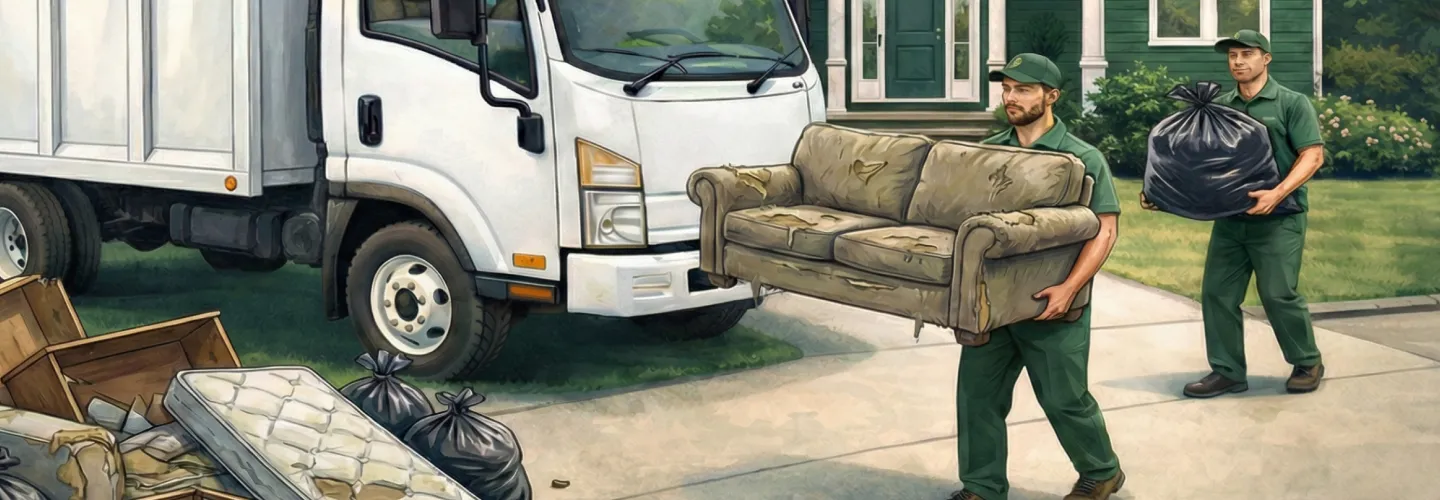
Roswell Restaurants Junk Removal Services
Choose our Restaurants Junk Removal for prompt, discreet, and eco-friendly service that keeps your business clean, compliant, and ready to serve customers without interruption.
Get a Free QuoteOur Roswell Junk Removal Services
Restaurants Junk Removal in Roswell, GA – Local Service Guide
Restaurants in Roswell, GA, from Canton Street’s bustling eateries to the vibrant East Roswell dining corridor, face unique junk removal needs. Whether it’s replacing kitchen equipment, clearing out old furniture, or managing post-renovation debris, timely and compliant disposal is crucial. Local restaurants often schedule removals after seasonal menu changes, major events, or during renovations to minimize disruption. In areas like Historic Roswell and Holcomb Bridge Road, access and parking can impact logistics, making professional coordination essential. Roswell’s regulations require proper sorting and disposal, with options to donate usable items or recycle appliances. For larger projects, such as full kitchen cleanouts or patio upgrades, planning around weather and city waste schedules ensures smooth operations. For more on local disposal rules and resources, visit the Roswell Environmental & Public Works page.
Key Considerations for Restaurants Junk Removal in Roswell
- Schedule removals during off-peak hours to avoid customer disruption
- Check for required permits, especially for large-scale disposals
- Use approved recycling and donation channels for equipment and furniture
- Plan for limited access in downtown or historic districts
- Estimate junk volume accurately for efficient hauling
- Coordinate with city waste schedules and local haulers
Benefits of Restaurants Junk Removal in Roswell
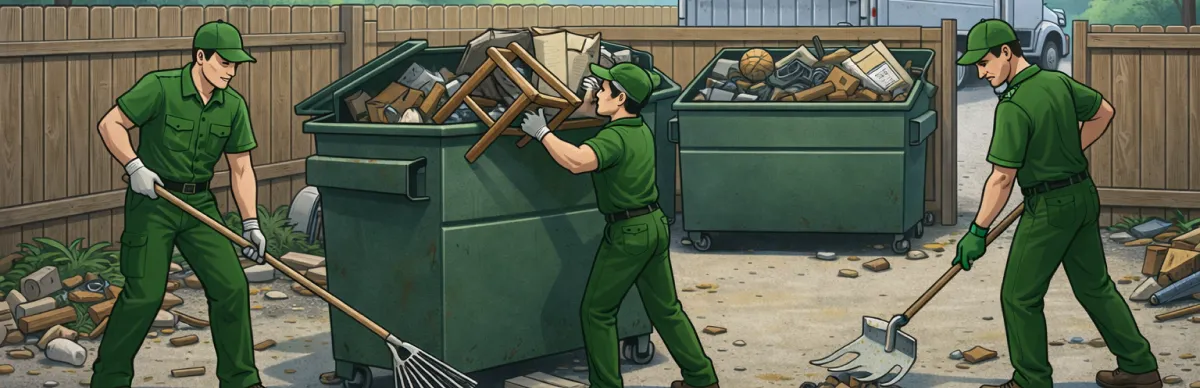
Fast and Reliable Service
Eco-Friendly Disposal Solutions
Flexible Scheduling Options
Licensed and Insured Team
Competitive Pricing
Comprehensive Junk Removal
Coordinating Restaurant Equipment and Debris Disposal with Roswell's Environmental & Public Works Department
Restaurants in Roswell undergoing renovations, closures, or equipment upgrades must coordinate waste removal through proper municipal channels. The City of Roswell's Environmental & Public Works Department oversees solid waste management programs, stormwater compliance, and environmental protection initiatives that directly affect how commercial food-service establishments handle bulk debris. Restaurant junk removal typically involves oversized items such as commercial ovens, refrigeration units, exhaust hoods, booths, countertops, and general interior fixtures that require specialized handling beyond standard waste collection.
- Commercial waste haulers operating in Roswell must maintain valid business licenses and comply with city ordinances governing waste transport
- Bulk items from restaurant cleanouts are not accepted through residential curbside collection programs
- Stormwater protection measures must be observed during loading to prevent grease, debris, or chemical runoff into storm drains
- Scheduling removal during non-peak hours may be required depending on the restaurant's location and zoning district
Roswell Environmental & Public Works
38 Hill Street, Roswell, GA 30075
Phone: (770) 641-3790
Official Website: Roswell Environmental & Public Works
Roswell Code Enforcement and Health Department Standards for Restaurant Cleanout Projects
Restaurant junk removal in Roswell must comply with municipal code enforcement standards that govern property maintenance, waste accumulation, and commercial premises upkeep. The Roswell Code Enforcement division investigates violations related to improper debris storage, unauthorized dumping, and failure to maintain commercial properties during renovation or closure. Restaurant operators and property owners should be aware of the following compliance requirements:
- Debris must not be stored on sidewalks, parking lots, or rights-of-way without proper authorization from the city
- Grease traps and interceptors require professional cleaning and disposal through licensed waste haulers; contents are classified as regulated waste
- Food waste and organic matter must be removed promptly to prevent pest infestations and public health violations
- Fulton County Board of Health maintains jurisdiction over food-service establishment inspections and may require clearance before or after major cleanout projects
- Code violations for improper waste storage or illegal dumping can result in fines and mandatory corrective action
Roswell Code Enforcement
38 Hill Street, Roswell, GA 30075
Phone: (770) 641-3780
Official Website: Roswell Code Enforcement
Georgia Solid Waste Management Act Compliance for Commercial Restaurant Disposal
Restaurant junk removal operations in Roswell must adhere to the Georgia Comprehensive Solid Waste Management Act (O.C.G.A. § 12-8-20) administered by the Georgia Environmental Protection Division (GA EPD). This state law establishes the regulatory framework for solid waste handling, transportation, and disposal that applies to all commercial waste generators, including food-service establishments. Key state-level requirements affecting restaurant cleanouts include:
- Solid waste transporters must hold valid permits issued by GA EPD to haul commercial waste within the state
- Hazardous materials such as cleaning chemicals, solvents, fluorescent lighting tubes, and refrigerants from commercial kitchen equipment are prohibited from municipal solid waste disposal
- Appliance refrigerant recovery is mandated under EPA Section 608 regulations before any refrigeration unit, walk-in cooler, or ice machine can be disposed of or recycled
- Construction and demolition debris generated during restaurant renovations must be transported to permitted C&D landfills or recycling facilities
- Scrap metal from stainless steel equipment, shelving, and fixtures should be separated for recycling at licensed scrap facilities
Georgia Environmental Protection Division
2 Martin Luther King Jr. Drive SE, Suite 1456, Atlanta, GA 30334
Phone: (404) 656-4713
Official Website: Georgia Environmental Protection Division
Roswell Building Permits and Renovation Coordination for Restaurant Interior Demolition
When restaurant junk removal involves structural modifications, fixture removal that affects plumbing or electrical systems, or interior demolition, building permits may be required through the Roswell Building Division. Restaurants located within Roswell's Historic District face additional review requirements through the Historic Preservation Commission before any exterior or significant interior alterations can proceed. Proper permit coordination prevents project delays and potential stop-work orders.
- Building permits are required when removal work involves disconnecting plumbing, HVAC, electrical, or gas lines connected to commercial kitchen equipment
- Asbestos surveys should be conducted in pre-1980 restaurant buildings before demolition of floor tiles, ceiling materials, pipe insulation, or wall systems, in accordance with EPA's National Emission Standards for Hazardous Air Pollutants (NESHAP)
- Fire Department coordination may be necessary when removing fire suppression systems, hood ventilation, or Ansul systems from commercial kitchens
- Right-of-way permits are needed if removal trucks must stage on public streets or block sidewalks during loading
Roswell Building Division
38 Hill Street, Roswell, GA 30075
Phone: (770) 641-3780
Official Website: Roswell Building Division
Recycling and Material Recovery Options for Roswell Restaurant Equipment and Fixtures
Roswell restaurant operators and junk removal providers should prioritize material recovery and recycling to reduce landfill burden and comply with responsible waste management practices. Commercial kitchen equipment contains significant quantities of recyclable metals, and many items retain functional value for donation or resale. Fulton County operates recycling and disposal facilities accessible to Roswell commercial waste generators, and several regional programs support diversion of restaurant-specific materials.
- Stainless steel equipment including prep tables, sinks, shelving, and exhaust hoods should be separated and directed to licensed scrap metal recyclers
- Electronics and point-of-sale systems must not be disposed of in regular waste; Georgia does not currently have a statewide e-waste landfill ban, but responsible recycling through certified e-waste processors is strongly recommended
- Cooking oil and grease must be collected by licensed rendering companies and cannot be poured into drains or disposed of with solid waste
- Furniture and fixtures in usable condition, such as tables, chairs, and booths, may be donated to organizations like Habitat for Humanity ReStore or local nonprofit thrift operations
- Fluorescent tubes and HID lamps contain mercury and must be handled as universal waste under EPA Region 4 guidelines and Georgia hazardous waste regulations
What Neighborhoods Do We Serve Throughout Roswell, GA?
- Historic Roswell: Restaurants along Canton Street and the surrounding historic district face strict preservation guidelines. Removal vehicles may encounter narrow streets, limited staging areas, and requirements for Historic Preservation Commission review before structural alterations to commercial buildings.
- Holcomb Bridge Corridor: This heavily commercial corridor features numerous strip-mall and standalone restaurants with rear-loading dock access. High traffic volumes may necessitate off-peak scheduling for large equipment removal projects.
- East Roswell: A mix of shopping centers and freestanding restaurant properties along Hwy 120 provides generally accessible parking lots and loading zones. Coordination with property management companies is often required for multi-tenant locations.
- Crabapple: This charming village district includes smaller restaurant spaces with limited parking and narrow lot configurations. Equipment removal may require hand-carrying items to staging areas away from the building entrance.
- North Roswell / GA-9 Corridor: Newer commercial developments along the GA-9 corridor typically offer wider access points and modern loading infrastructure, though HOA-governed mixed-use developments may impose scheduling and aesthetic restrictions on removal operations.
- West Roswell / Riverside: Restaurants near the Chattahoochee River corridor must observe stormwater and environmental buffer requirements during cleanout operations. Proximity to floodplain areas may affect debris staging and loading logistics.